1 / 5
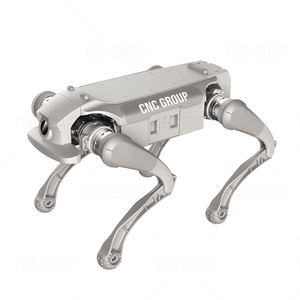
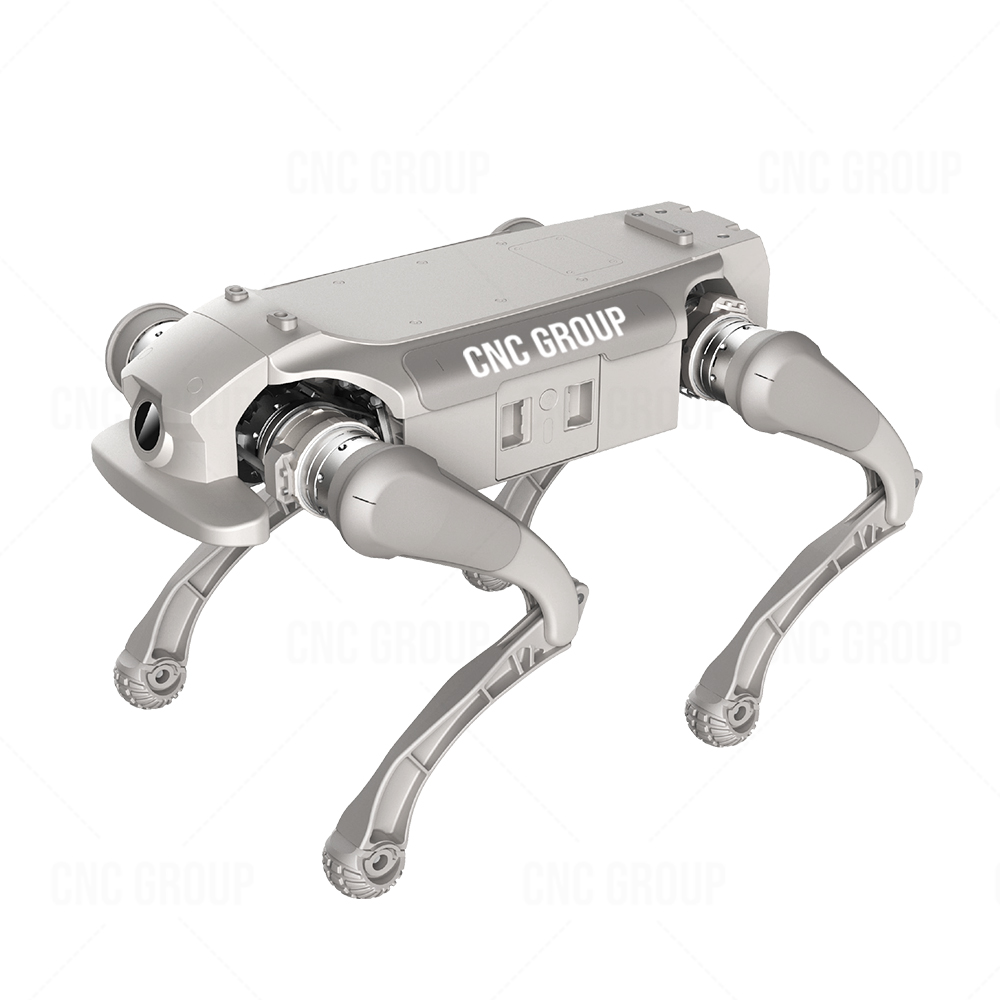
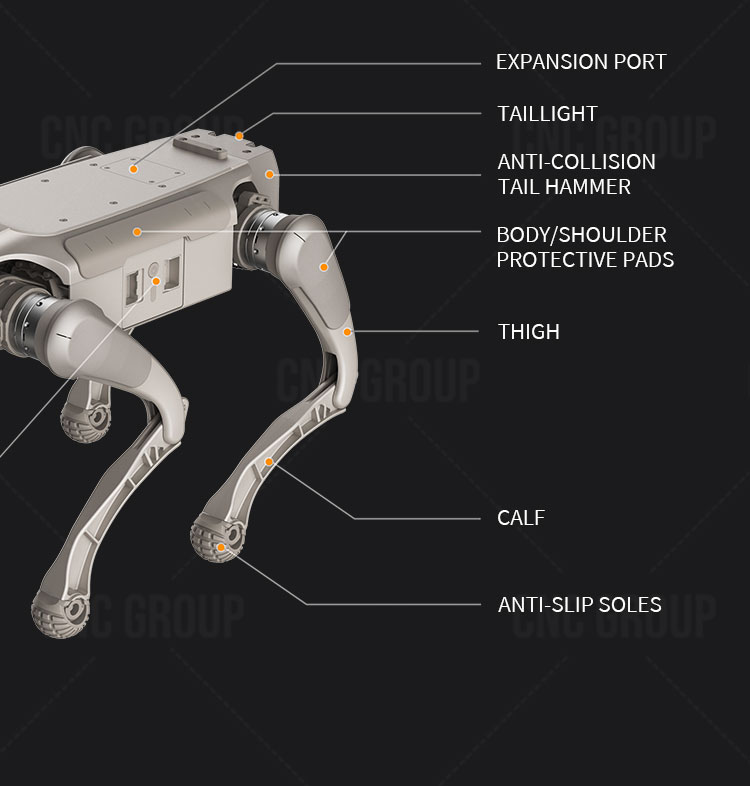
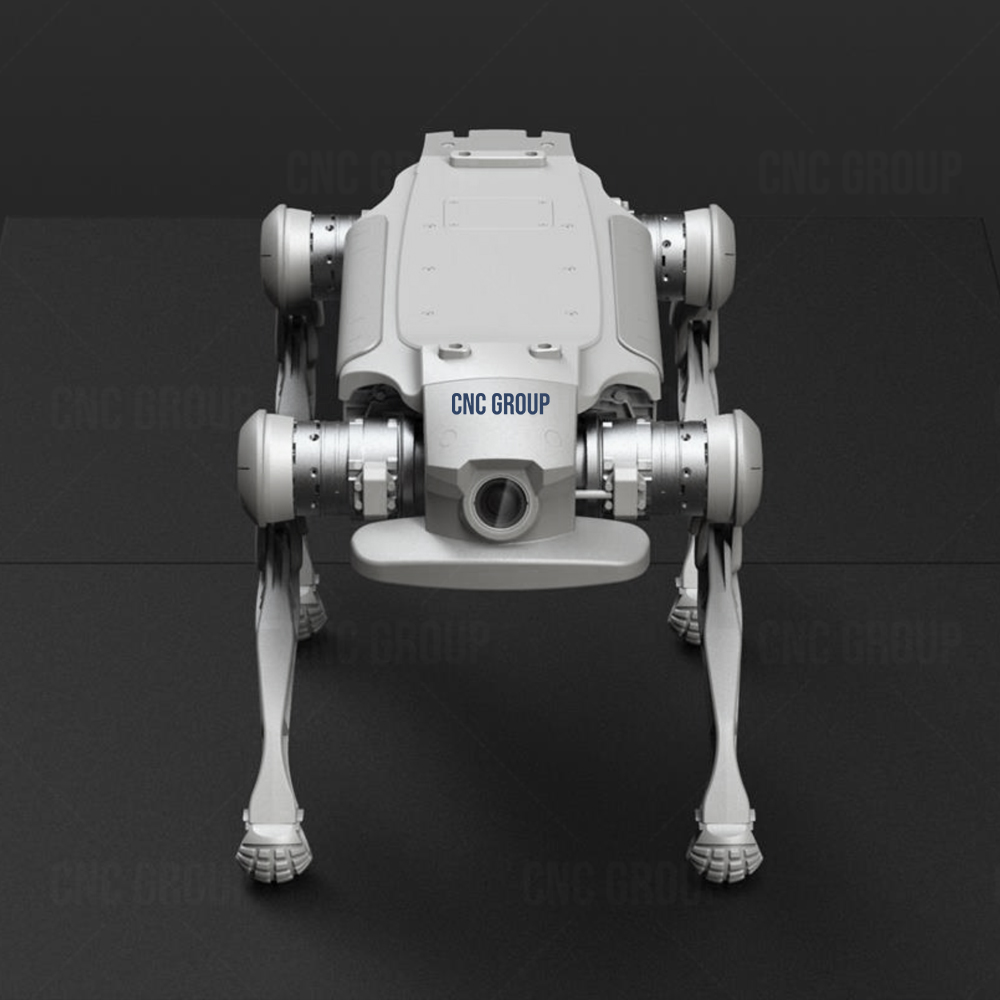
The robot dog possesses exceptional mobility, easily traversing obstacles such as piles of wood and 40cm platforms. It can also navigate steadily on slippery or extreme terrain, with a maximum static load capacity of 120kg.
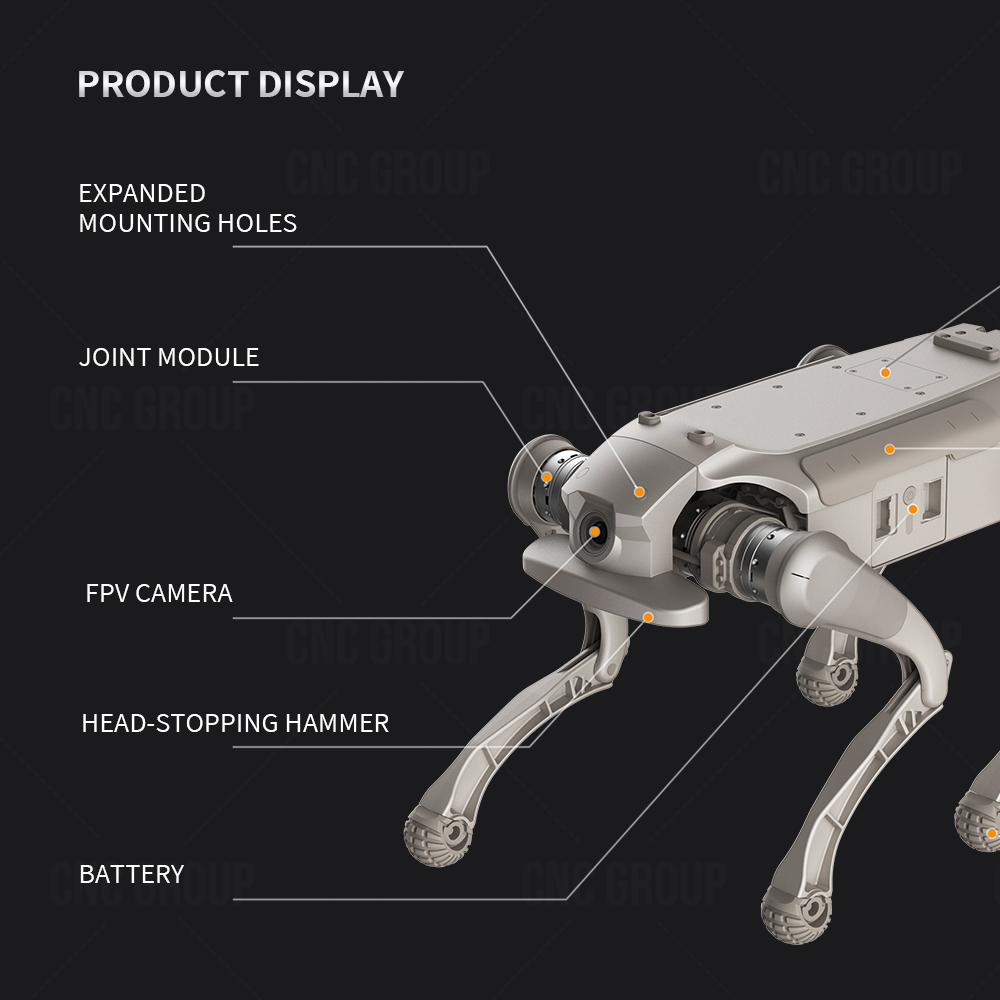
Using a variety of sensors, including cameras, lidar, and ultrasonic sensors, the robot dog can perceive its surroundings. Cameras can identify objects, while lidar can construct 3D models for autonomous navigation and obstacle avoidance.
Some consumer-grade robot dogs offer a wealth of interactive features. They can be controlled via remote controllers and apps, respond to voice commands, and even engage in voice conversations with users, displaying a human-like emotional connection.
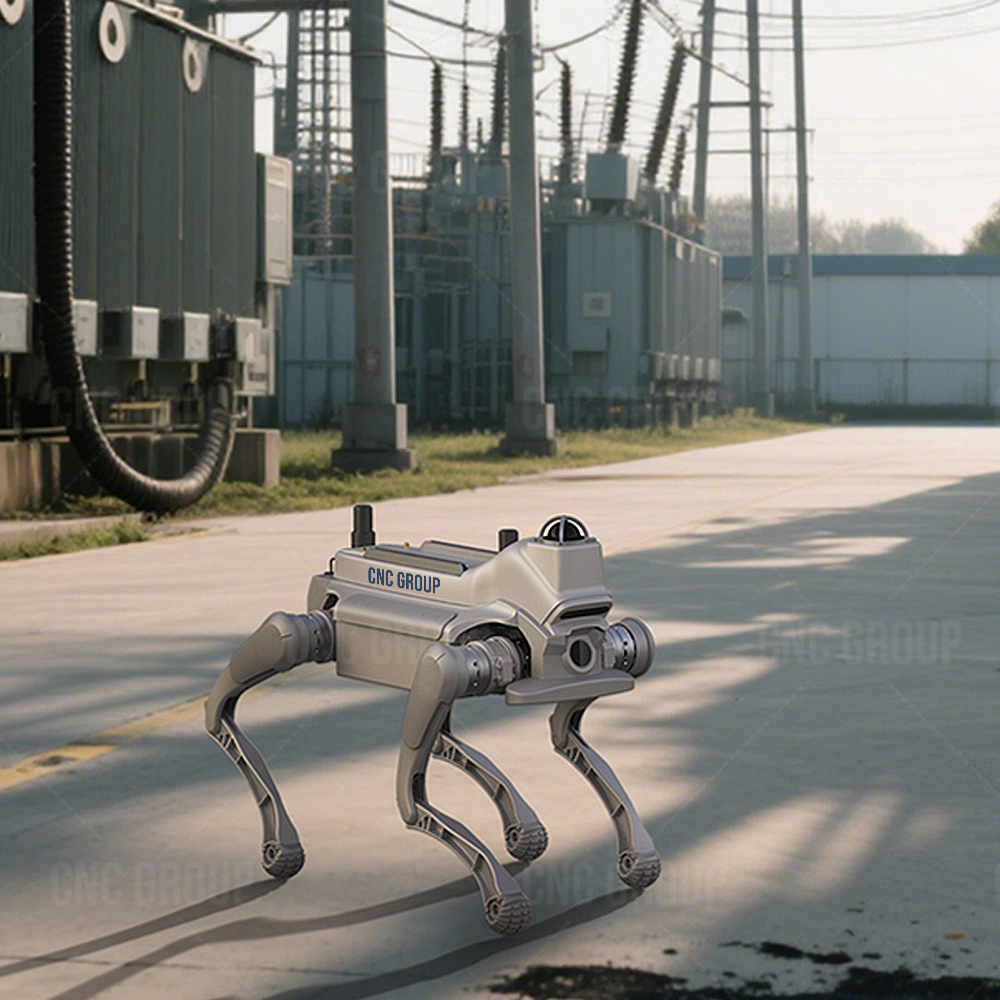
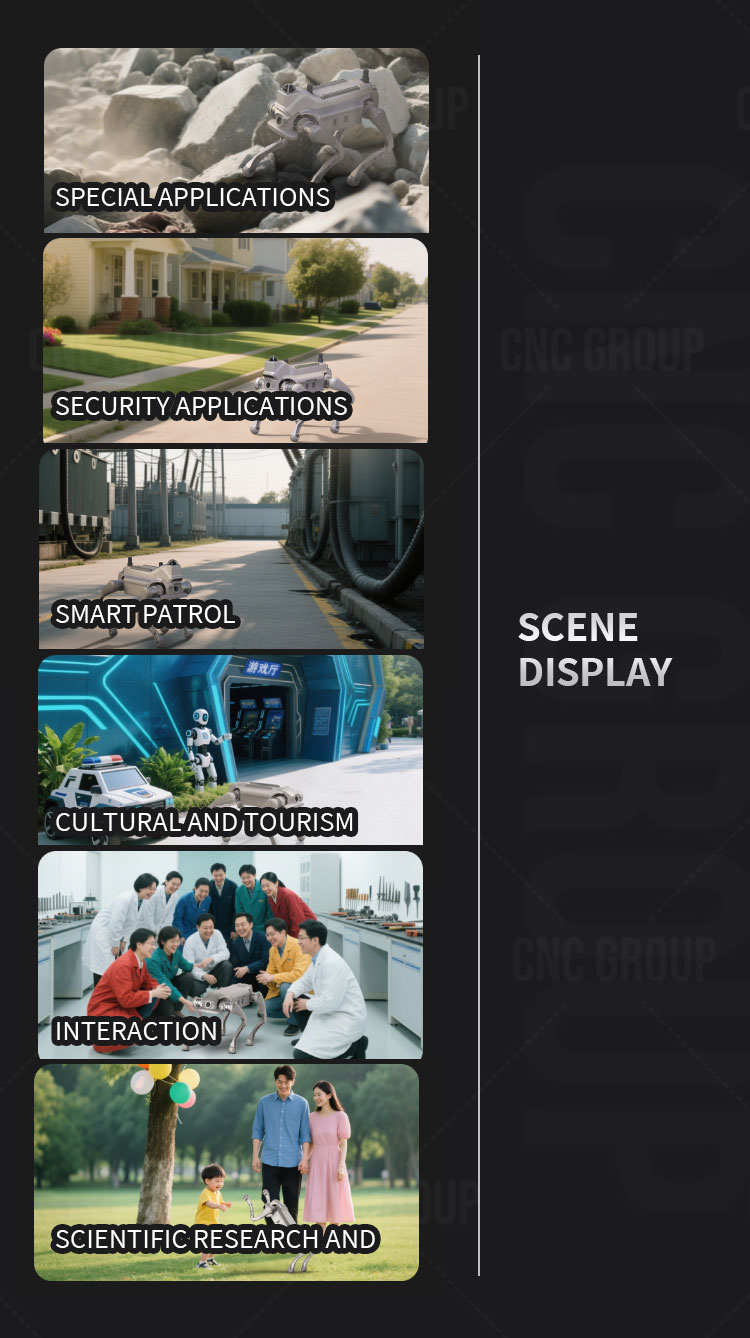
These robots have specific applications in different fields. For example, in the industrial sector, robot dogs can be used for inspections, scanning for damaged boxes and identifying foreign objects. In the firefighting sector, they can transmit real-time images and detect flammable and toxic gases.
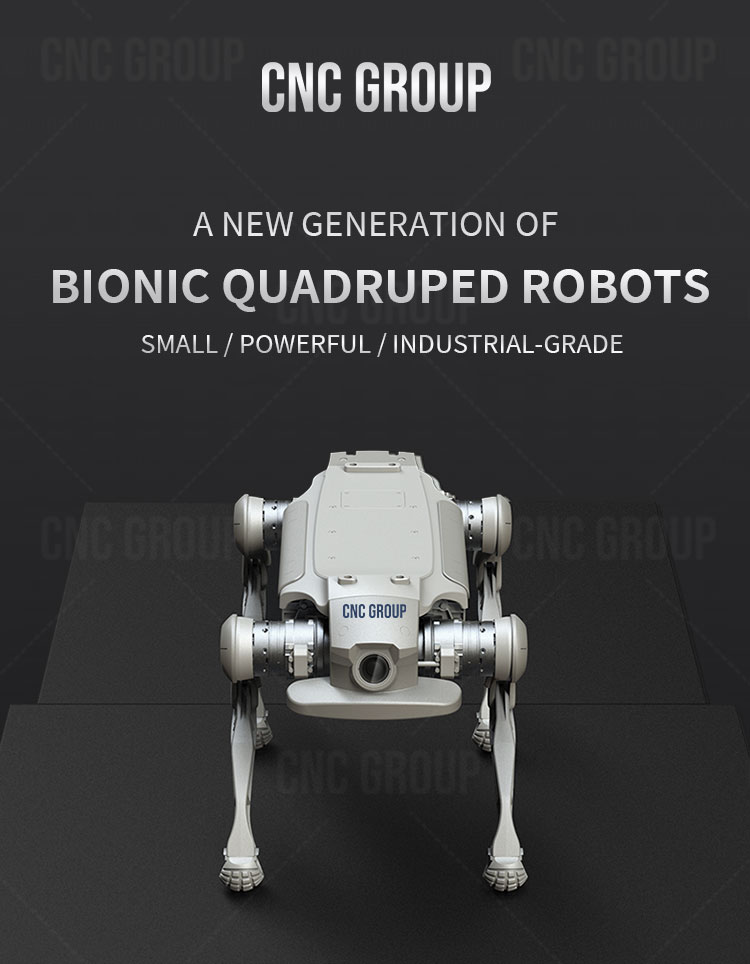
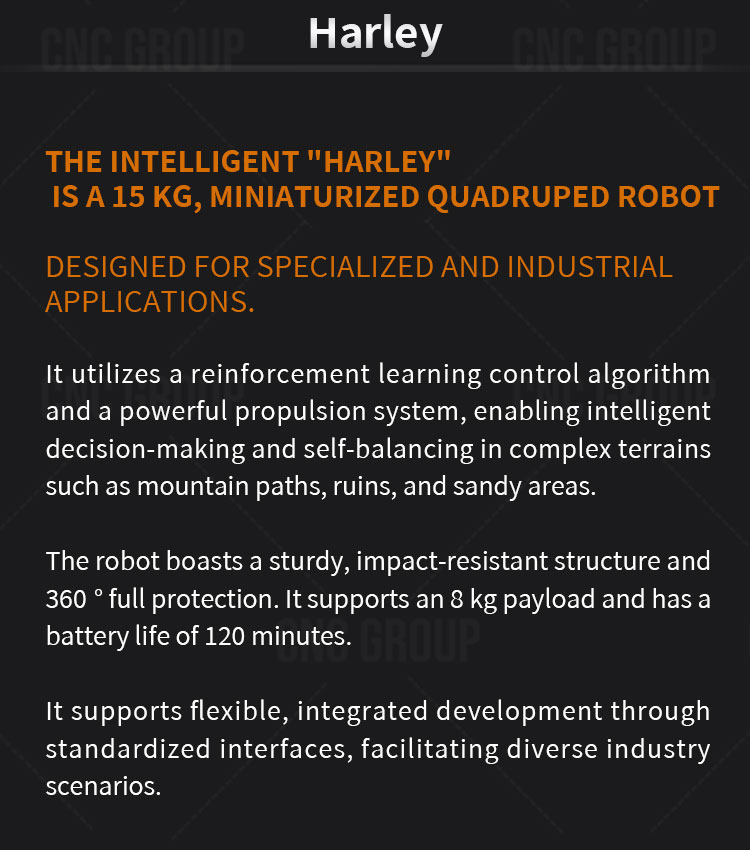
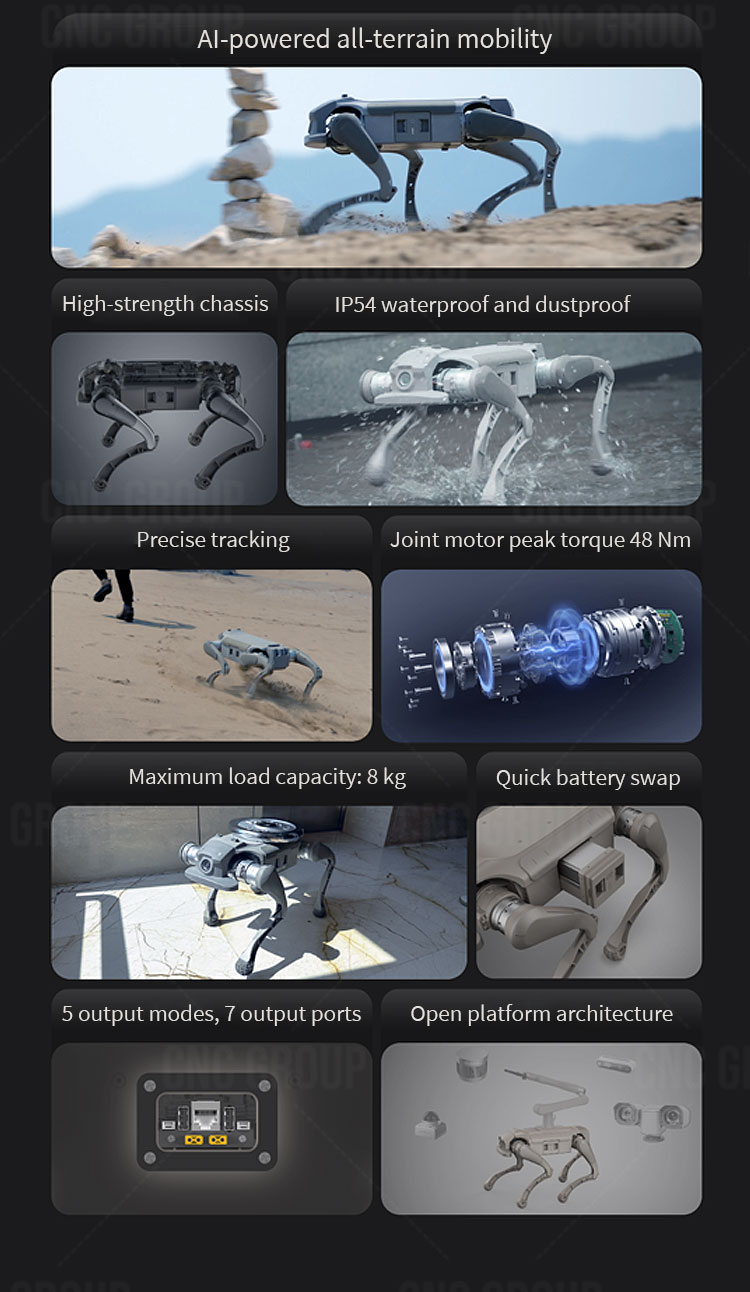
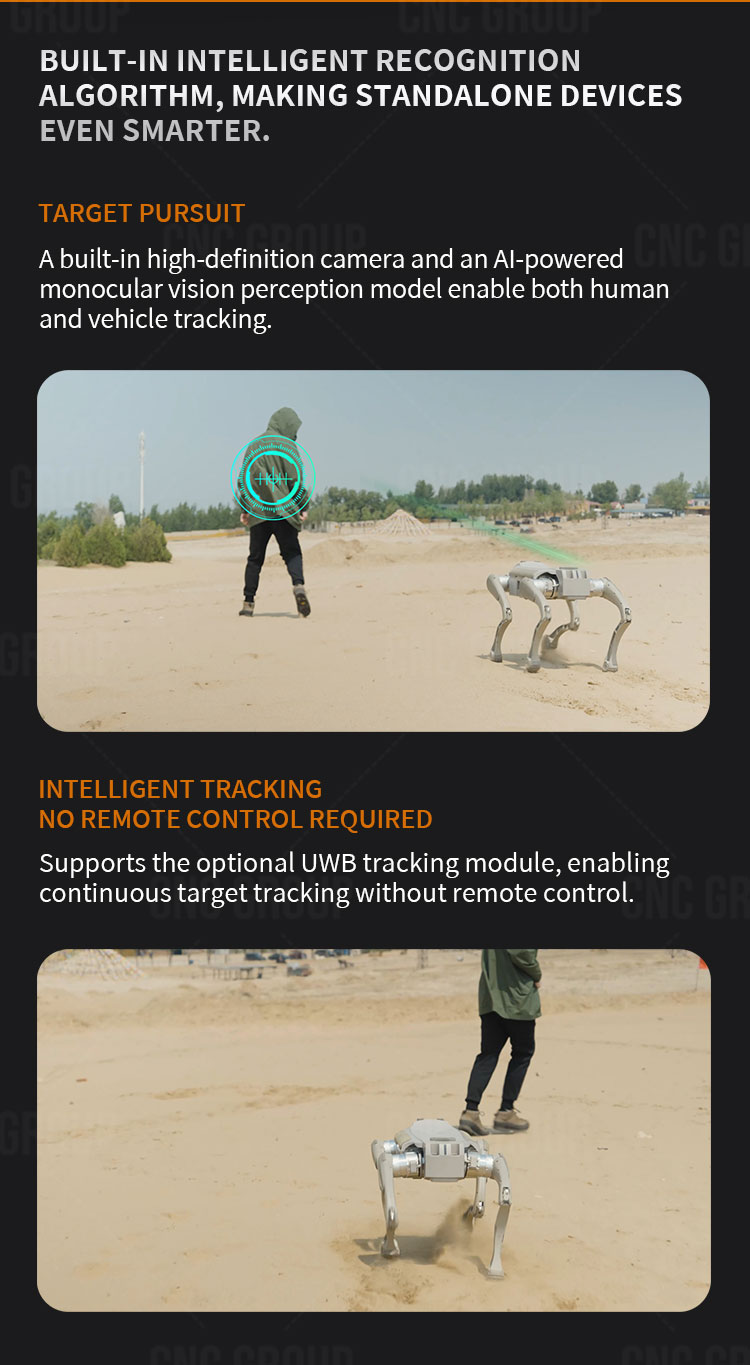
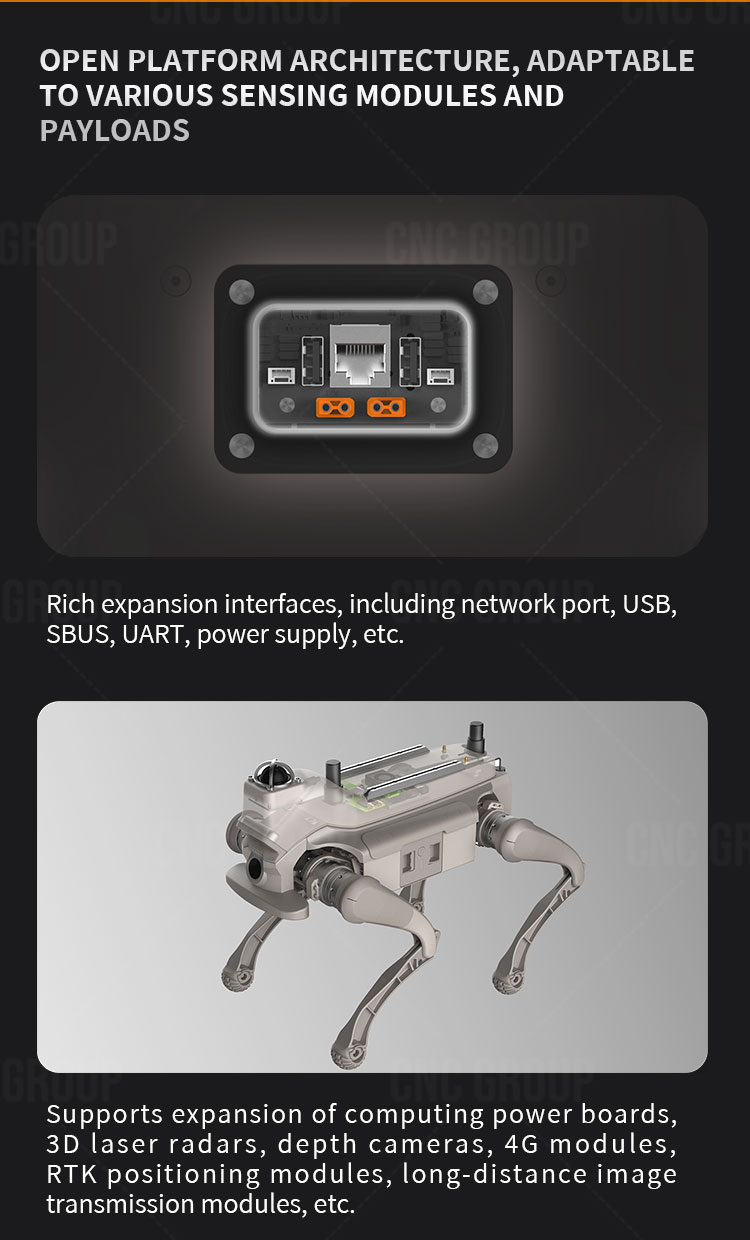
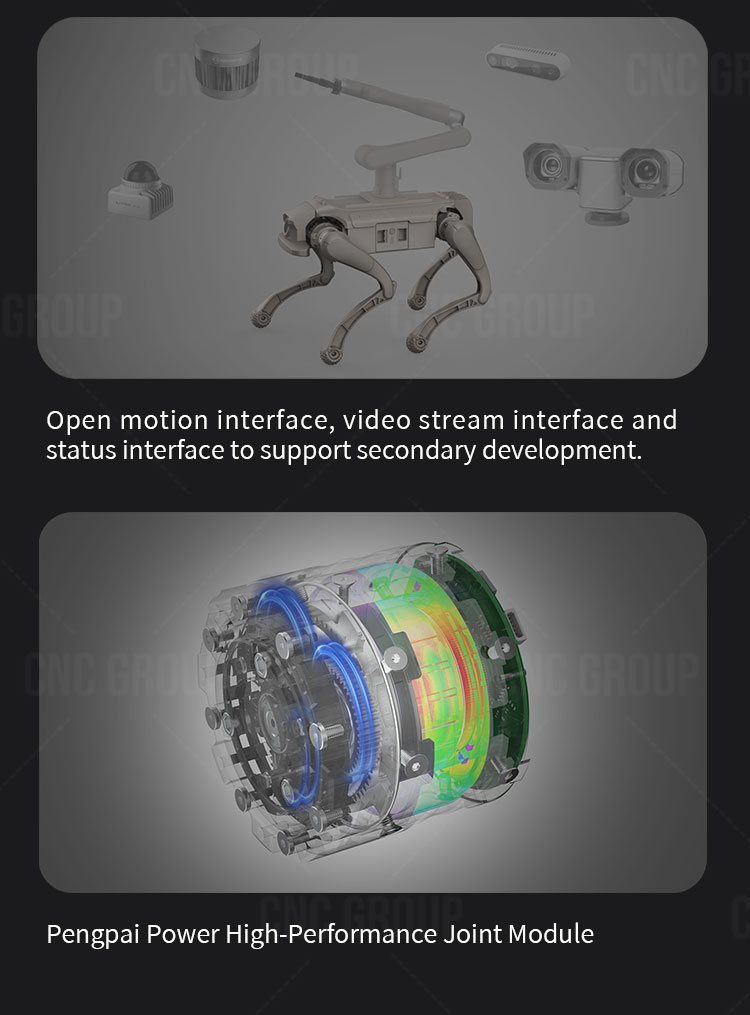

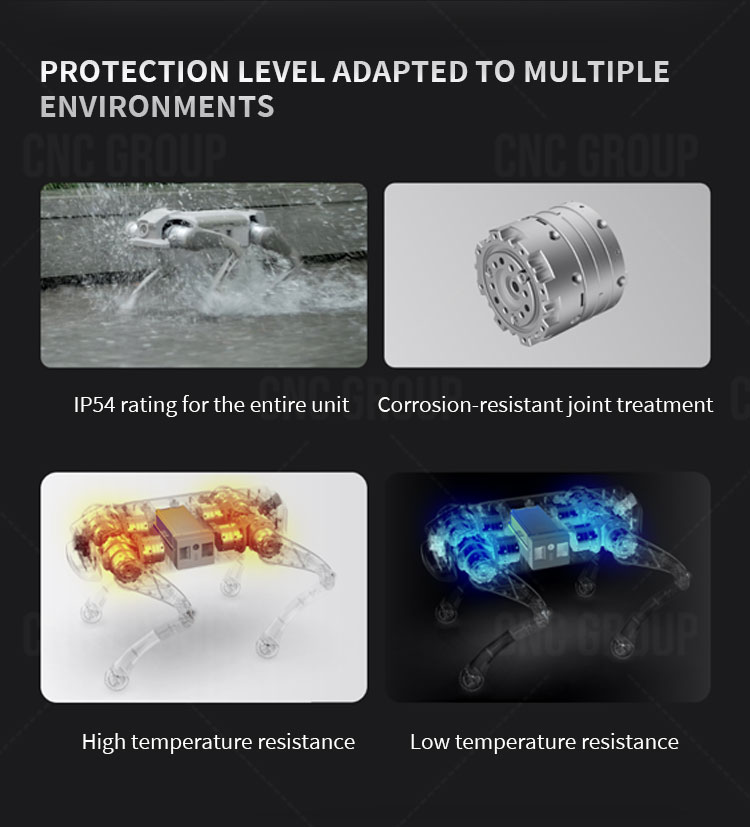
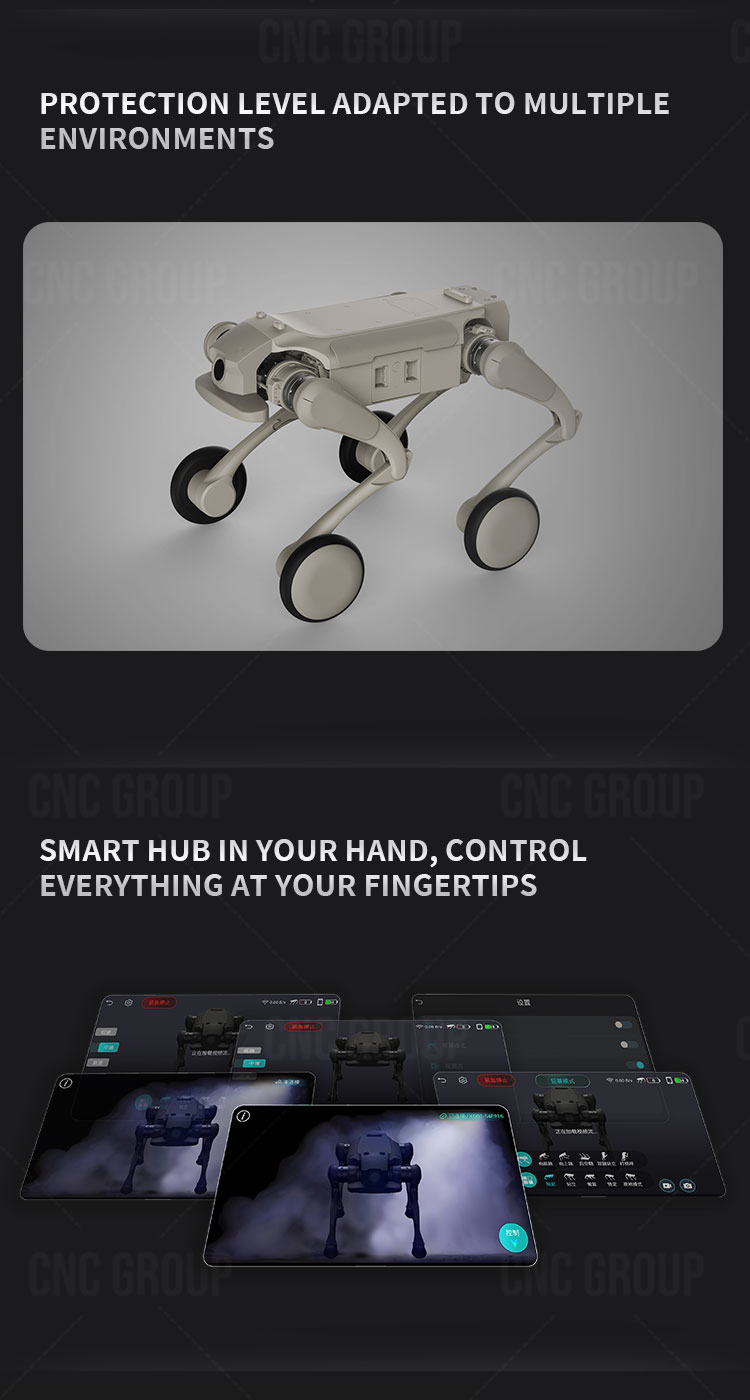
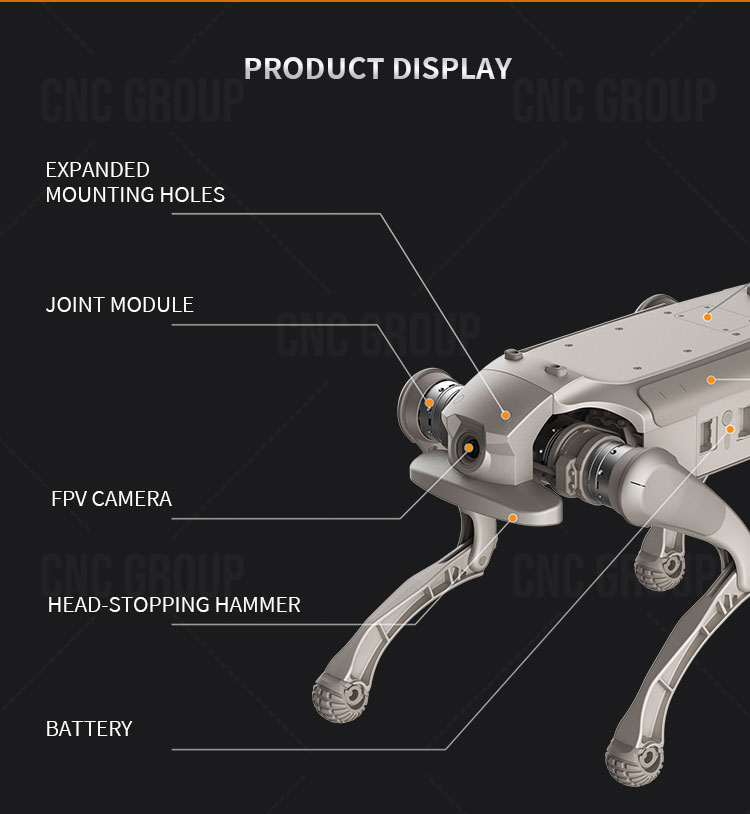
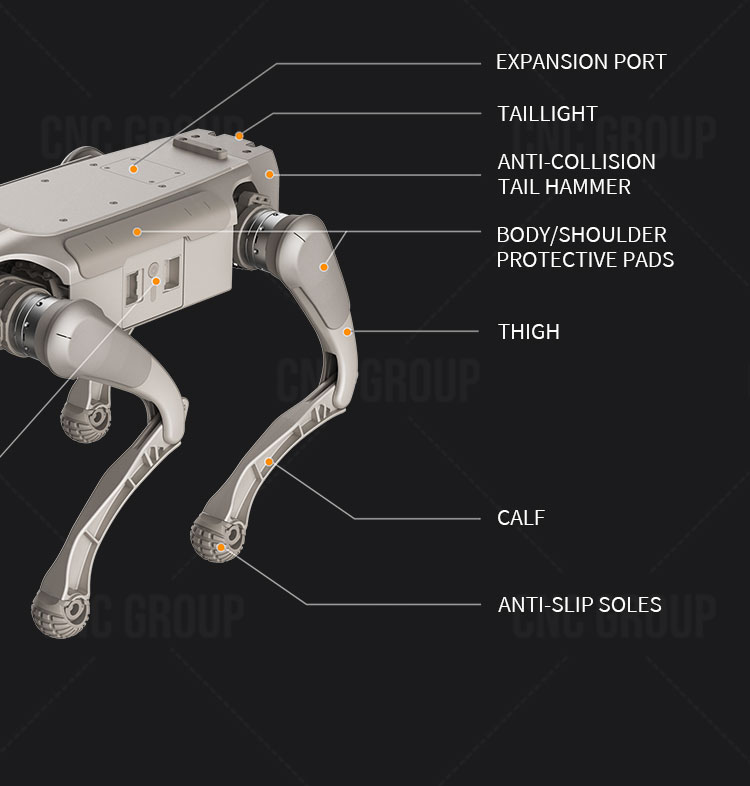
The robot dog features exceptional mobility that allows it to easily traverse obstacles like wood piles and 40cm platforms, navigate slippery or extreme terrain, and carry a maximum static load capacity of up to 120kg.
It utilizes a comprehensive suite of sensors including cameras, lidar, and ultrasonic sensors. Cameras are used for object identification, while lidar constructs 3D models for autonomous navigation and obstacle avoidance.
The robot dog can be controlled via dedicated remote controllers and mobile apps. It supports voice commands and can engage in interactive voice conversations with users.
In industrial environments, the robot dog is mainly utilized for routine inspections, scanning for damaged packaging/boxes, and detecting foreign objects on-site.
In firefighting scenarios, the robot dog helps convey real-time images back to operators and detects flammable or toxic gases in hazardous areas.