0%

Sweekar AI Pet is presented as an interactive digital companion, but its exact features may vary by model or app version. This introduction looks at what the product is and how its interactions may work, without assuming that every advertised feature is available everywhere. In practical terms, readers should check the current product description for details such as voice input, sensors, connectivity, and companion-app requirements. Small details matter: a microphone, a charging cable, or a phone connection can shape the daily experience.

AI companions also raise questions beyond their features. Sherry Turkle, an MIT professor who studies technology and human relationships, wrote, “Technology proposes itself as the architect of our intimacies.” Her observation offers a useful lens for considering products like Sweekar AI Pet: responses may feel personal, yet they are generated by software. That distinction matters. A cheerful reply can be engaging, but it does not prove the device understands feelings as a person does. Nor should a digital pet be treated as a substitute for human connection or hands-on care. The experience may be charming. It may also feel repetitive. This guide examines how Sweekar AI Pet is described to work, what users should verify, and where expectations deserve a second look. Some details can change; that is worth remembering.
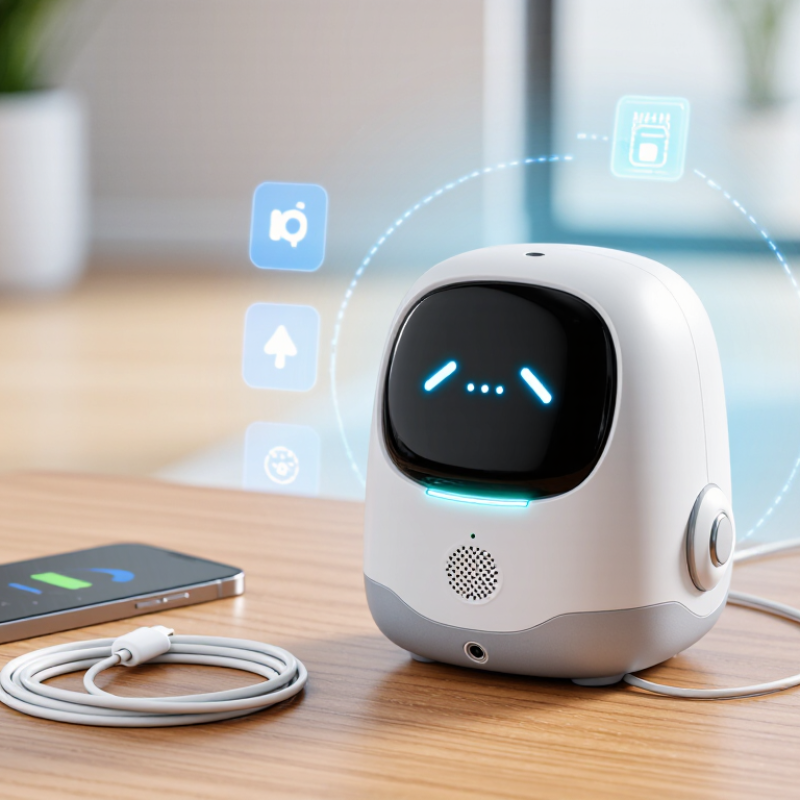
What Is Sweekar AI Pet and How Does It Work?

What Is Sweekar AI Pet?

An AI pet is a digital companion designed to respond to a person’s messages, choices, and routine. It may appear as an animated character in an app or on a connected device. Users can give it a name, choose activities, and interact through short chats, touch controls, or voice input. The system uses software to interpret these actions and generate replies. It does not think or feel like a living animal; its responses are generated from patterns and programmed features.

That distinction matters.

A typical interaction might involve feeding a virtual pet after breakfast, playing a quick game, or checking in before bed. Over time, the experience may adapt to repeated preferences, such as favorite games or familiar greetings. The details depend on the product, so privacy settings and data practices deserve a careful look before sharing personal information.

Some replies may feel warm, while others can be repetitive or oddly timed. That can be disappointing.

An AI pet can offer light entertainment and a sense of routine, but it cannot provide the unpredictable affection, physical care, or companionship of a real animal. Even its best moments are designed interactions, not proof of emotion.

What Devices and Features Make Up Sweekar AI Pet?

The AI pet is built around a small interactive robot, rather than a screen-only assistant. Its body may combine a camera, microphones, a speaker, and touch or motion sensors. These parts help it notice a person nearby, respond to a voice, and show reactions through sound or movement.

Small details matter: a glance toward the speaker or a soft sound can make an exchange feel more personal.

A companion app can handle setup, connection, and some personalization, while the robot provides the face-to-face interaction. Depending on the model, features may include voice conversations, expressive animations, reminders, and memory for selected preferences.

Check the current device documentation before relying on specific functions; features can vary. Privacy deserves attention, too. Review camera and microphone settings, and see what data is stored.

Not every response will feel natural. That is part of the experience, and sometimes a little awkward.

How Does Sweekar AI Pet Interact With Its Owner?

An AI pet interacts with its owner through a mix of voice, touch, movement, and software responses. Depending on its design, it may turn toward a spoken greeting, wiggle when petted, or make a sound after a brief pause. A small touch sensor can make a gentle stroke feel meaningful. A microphone may help it recognize familiar phrases, while lights or facial movements show its response. It can feel surprisingly attentive.

The interaction often works best in short, everyday moments. Say hello while placing it on a desk, or give it a light tap when you return to the room. Some models may adapt their responses to repeated routines, such as morning greetings, but this varies and should not be assumed without checking the device’s specifications.

That feels personal. Still, its reactions are generated by programmed systems, not human feelings. It may misunderstand a quiet voice, repeat a sound, or respond at an awkward moment.

Owners can improve the experience by speaking clearly, trying different touch gestures, and reviewing privacy settings before enabling voice features. A little patience helps, though the occasional clumsy response is part of the experience.

How Does Its AI Turn User Input Into Responses?

An AI pet usually turns a typed message or voice recording into a response through several small steps. Speech recognition may convert “I had a rough day” into text; the system then detects intent, tone, and relevant details from the conversation. A language model uses that context to generate a reply, which may be spoken aloud or shown on screen. It is prediction, not human understanding. The exact design of any particular pet can differ, and its internal workings may not be fully disclosed.

The exchange can feel personal. Mention a rainy walk, and a later reply might refer to the weather—if the system retains that detail. Some tools use conversation history; others keep little context. McKinsey’s 2024 global survey found that 65% of respondents’ organizations regularly used generative AI, nearly twice the share reported ten months earlier. That signals wider adoption, not proof that any companion gives accurate or emotionally wise answers. Check its privacy settings, too. A warm tone can still be mistaken. Models may misread sarcasm, invent details, or offer a confident response when a gentle question would be better. That part deserves scrutiny.

How an AI Pet Turns User Input Into a Response

This example shows a simple interaction: the AI processes a user’s message in context, then generates a reply. The bars show the word counts of the example text, not measured product performance.

What Are Its Uses, Limitations, and Privacy Considerations?

An AI pet is a digital companion that may respond to typed messages, voice, or simple on-screen actions. Depending on the service, it can offer casual conversation, reminders, or a playful routine, such as feeding a virtual character after breakfast. Features vary, so check what the specific app actually supports.

These tools may help fill quiet moments or make a daily habit feel more engaging. They are not a substitute for professional care, human relationships, or a real animal’s needs. Responses can be repetitive, inaccurate, or oddly confident. That can feel charming at first. It can also become frustrating. Treat suggestions as conversation, not expert advice, and take breaks if use starts replacing meaningful offline activities.

Privacy deserves equal attention. Voice recordings, chat histories, and usage details may be collected, depending on the settings and provider. Review the privacy notice and permission prompts before sharing personal details. Avoid entering sensitive information, such as home addresses or private health concerns. Look for options to delete history, limit microphone access, and control data retention. A polished character can feel personal, but the service may not handle each exchange like a confidential conversation. That distinction is easy to forget.

What Is Sweekar AI Pet and How Does It Work? - What Are Its Uses, Limitations, and Privacy Considerations?

Topic What can be said Practical note
What an AI pet is An AI pet is a digital or robotic companion designed to respond to user input and simulate social interaction. Its features depend on the particular product. The name alone does not establish whether a particular offering is an app, a physical device, or both.
How it may work Depending on its design, it may accept text, voice, touch, or sensor input, process that input with software, and respond through text, speech, animation, or movement. Specific sensors, AI models, and whether processing occurs on a device or a remote server need to be confirmed in the product documentation.
Companionship and entertainment An interactive companion may provide conversation, playful responses, or virtual pet-care activities, if those features are included. Responses are generated by software and should not be treated as evidence of feelings, awareness, or a real animal’s needs.
Learning and routines Some AI companion products can support simple learning activities, reminders, or routines when these functions are built into the software. Check the available features and age guidance; an AI pet is not a substitute for a teacher, caregiver, or professional advice.
Personalization A product may adapt replies or behavior using settings or interaction history, if it offers personalization. Whether personalization is available, how long information is retained, and whether it can be reset are product-specific.
Reliability and limitations AI-generated responses can be inaccurate, inconsistent, or unsuitable for a particular situation. Performance may also depend on connectivity, power, and software availability. Do not rely on an AI pet for emergency support, medical guidance, supervision, or care of a living animal.
Privacy and data collection If a product uses microphones, cameras, accounts, or cloud services, it may process voice, images, account details, or interaction data. The actual data collected varies by product and settings. Review the privacy notice and device permissions. Check collection purposes, storage periods, sharing, deletion options, and whether audio or video is stored.
Children’s use For products used by children, applicable age requirements, parental controls, and child-data protections depend on the product and the user’s location. Adults should review age guidance and privacy settings, supervise use as appropriate, and avoid sharing sensitive personal information.
Information to verify The exact features, hardware, supported languages, subscription terms, offline operation, and data practices cannot be confirmed from the product name alone. Consult current official product materials and privacy documentation before purchase or use.

Note: Product-specific details should be verified against current documentation; this table describes general characteristics and considerations for AI pet products.

FAQS

What parts might an interactive AI pet include?

It may use a camera, microphones, speaker, and touch or motion sensors. Small movements and soft sounds can make replies feel more personal.

How does it respond to a voice message?

Speech recognition may turn speech into text. The system interprets the message and generates a reply. It predicts language; it does not understand like a person.

Can it remember details from earlier conversations?

Some systems retain selected preferences or conversation history. Others keep little context. Check the settings before expecting it to remember a rainy walk or daily routine.

What features might an AI pet offer?

Depending on the service, it may provide conversation, expressive animations, reminders, or playful routines. Features vary. Check the specific app.

Are its replies always accurate or natural?

No. Replies may repeat, misread sarcasm, or sound confident while being wrong. Sometimes, it feels awkward. Treat suggestions as conversation, not expert advice.

What privacy details should users check?

Review microphone and camera permissions, data retention, and history deletion options. Avoid sharing home addresses or private health concerns. A friendly character is not necessarily confidential.

Can an AI pet replace human company or professional care?

It may make quiet moments feel less empty, but it cannot replace human relationships, professional care, or a real animal’s needs. Take breaks when offline activities begin to fade.

Conclusion

Sweekar AI Pet is a smart companion designed to make everyday interaction feel more engaging through a mix of connected devices, sensors, and artificial intelligence. Its setup may include a physical pet-like device and a companion interface that lets an owner provide input, adjust preferences, and access available features. Depending on its design, it can respond to voice, touch, or other signals, using these cues to create a more personal interaction.

When an owner communicates with it, the system interprets the input, considers relevant context or settings, and generates a response, such as a sound, movement, or conversational reply. This can offer entertainment, routine interaction, or a sense of companionship, but it should not be treated as a substitute for human relationships or professional care. Its responses may be imperfect, and its usefulness depends on the device’s capabilities and connectivity. Owners should also review privacy settings and understand what information may be collected, stored, or shared before using the system.

Audrey

Audrey

Audrey is a dedicated marketing professional with a strong understanding of the company’s products, services, and the needs of the customers they are designed to support. Through ongoing collaboration with colleagues across the business, Audrey keeps up to date with product features, practical......