Interest in companion animals continues to shape the global pet trade, but broad market figures need careful interpretation. The American Pet Products Association’s 2025 State of the Industry report estimated U.S. pet-industry spending at $152 billion in 2024 and projected $157 billion for 2025. These figures cover many pet categories, not pocket pets alone. They show market scale, not proof that any particular animal suits every household.
This guide examines the 2026 Sweekar pocket pet types available to global buyers, focusing on practical differences rather than promotional claims. A small animal is not automatically an easy pet. Buyers should compare adult size, activity patterns, daily care, suitable housing, diet, and access to qualified veterinary care. A quiet animal may still need regular enrichment and careful handling. These details matter.
Real-world conditions vary. Room temperature, household noise, and the time available for daily care can affect an animal’s welfare. Buyers should also confirm the seller’s health records, sourcing information, and after-sales guidance. Import rules and veterinary access differ by destination, so check local requirements before making a purchase. Public, independent data specifically comparing Sweekar’s pocket-pet lineup appears limited; product claims should therefore be verified directly. That gap matters. The best choice is not necessarily the smallest or most eye-catching. It is the type whose needs a buyer can reliably meet over its full lifespan.
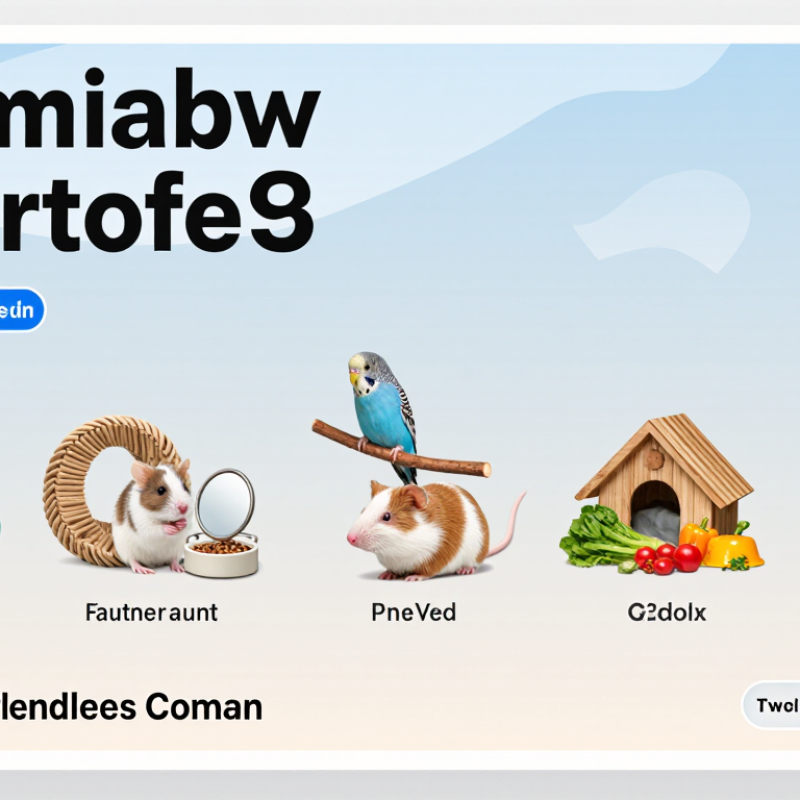
What Are Sweekar Pocket Pets and How Are They Classified?
Pocket pets are a retail term, not a formal biological group. It usually describes small companion mammals kept in a home. Common types include hamsters, gerbils, guinea pigs, rabbits, chinchillas, and rats. They differ in more than size. A hamster is generally solitary, while guinea pigs need compatible company. Rabbits also require room to move, not just a small cage. Not all are cuddly.
For clearer classification, group them by species first, then compare adult size, activity pattern, social needs, diet, and housing footprint. The American Pet Products Association’s 2023–2024 National Pet Owners Survey estimated that 6.7 million U.S. households kept small animals. This figure gives market context, but it does not represent global demand or prove that every species suits every home. Buyer guides should name the animal precisely and explain its adult-care needs. A label such as “mini pet” can be misleading.
Tips: Check the species name, expected adult size, lifespan, and daily care requirements before listing or buying. Verify that local veterinary support and suitable food are available. Small details matter. A quiet animal may still need a larger enclosure than expected.
2026 Top Sweekar Pocket Pet Types for Global Buyers? - What Are Sweekar Pocket Pets and How Are They Classified?
“Pocket pets” is a general term for small companion animals, not a scientific classification. The animals below are grouped by biological order and include indicative adult sizes and lifespans; individual animals vary. Check local laws and veterinary guidance before acquiring any species.
| Pet type | Biological classification | Typical adult size | Typical lifespan | Basic care considerations | Buyer notes |
|---|---|---|---|---|---|
| Hamster | Rodentia; family Cricetidae. Common companion species include Syrian and dwarf hamsters. | About 5–18 cm long, depending on species | Usually 1.5–3 years | Provide a secure enclosure, deep burrowing substrate, an appropriately sized exercise wheel, and a balanced species-appropriate diet. Many hamsters are solitary. | Small body size does not mean they need a tiny enclosure. Nocturnal activity may not suit every household. |
| Gerbil | Rodentia; family Muridae. The Mongolian gerbil is a common companion species. | About 10–12 cm body length, excluding the tail | Usually 2–4 years | Needs deep, diggable bedding, safe chewing materials, and a balanced diet. Gerbils are social and are commonly kept with a compatible same-sex companion. | Use a secure enclosure that allows digging and prevents escape; avoid housing unfamiliar adults together without expert advice. |
| Fancy mouse | Rodentia; family Muridae; domesticated form of the house mouse (Mus musculus). | About 7–10 cm body length, excluding the tail | Usually 1.5–3 years | Provide a well-ventilated, escape-proof enclosure, nesting material, enrichment, and a complete rodent diet. Social housing depends on sex and compatibility. | Mice are small and quick; gentle handling and careful enclosure maintenance are important. |
| Fancy rat | Rodentia; family Muridae; domesticated form of the brown rat (Rattus norvegicus). | About 20–25 cm body length, excluding the tail | Usually 2–3 years | Needs a spacious, multi-level, well-ventilated enclosure, daily enrichment, and social interaction. Rats are highly social and are generally kept with compatible same-sex companions. | Allow time and budget for regular cleaning and routine veterinary care; rats benefit from interaction and enrichment. |
| Guinea pig (cavy) | Rodentia; family Caviidae. Guinea pigs are rodents, but are not hamsters or mice. | About 20–30 cm long | Usually 5–7 years | Requires constant access to grass hay, fresh water, suitable vegetables, and a reliable dietary source of vitamin C. Provide a large floor area and compatible social companionship. | Plan for more space and a longer commitment than many smaller rodents; vitamin C is an essential dietary requirement. |
| Chinchilla | Rodentia; family Chinchillidae. | About 25–35 cm body length, excluding the tail | Often 10–20 years in captivity | Needs a tall, secure enclosure, a hay-based diet, regular dust baths, and a cool, dry environment. Chinchillas are sensitive to heat and humidity. | A long-lived, specialist-care pet; confirm that suitable temperature control and veterinary expertise are available. |
| Rabbit | Lagomorpha; family Leporidae. Rabbits are lagomorphs, not rodents. | About 1–7 kg for many companion breeds; size varies widely | Often 8–12 years with appropriate care | Needs generous exercise space, constant access to grass hay, fresh water, and routine dental and veterinary care. Many benefit from compatible rabbit companionship. | Rabbits are not low-maintenance cage pets. Their long lifespan and space needs should be considered before adoption. |
| African pygmy hedgehog | Eulipotyphla; family Erinaceidae. It is an insect-eating mammal, not a rodent. | About 15–25 cm long | Often 3–6 years in captivity | Requires a secure enclosure, suitable warmth, exercise, and a carefully balanced diet. Veterinary care should come from a clinician experienced with hedgehogs. | Ownership and import rules vary by jurisdiction; confirm legality and access to specialist veterinary care first. |
Classification note: Pocket pet is a practical pet-trade term rather than a formal taxonomic group. “Global buyer” suitability depends on local animal-welfare rules, import and biosecurity requirements, climate, and access to qualified veterinary care.
FAQS
Pixel-screen companions, touch-responsive figures, and small pets with sound effects are popular choices. Pixel pets often feature simple feeding and cleaning routines.
Check its age guidance, battery access, button placement, sound volume, and instructions. Listen to it if possible. Sounds can feel loud in a quiet room.
Not always. Some require extra setup, so compare the instructions and intended age before choosing.
Plush styles can suit quiet play or travel; check seams and attached details. Miniature collectibles may appeal to older children or collectors who enjoy displaying varied designs.
Compare dimensions, finish, color consistency, and protective packaging. A small trial order may reveal problems that online pictures miss.
No. Their space, diet, activity, and social needs differ. A small label does not mean a small commitment.
Hamsters need secure enclosures and deep bedding. Gerbils benefit from dry bedding and safe material to chew. Guinea pigs need daily hay and vitamin C.
Prepare its enclosure first, then check local veterinary access, climate needs, lifespan, and daily routine. Ask an experienced veterinarian about diet and preventive care. Temperaments vary, and care guides can oversimplify.
Conclusion
This guide explores how a sweekar pocket pet can be classified by its size, design, interactive features, and care requirements. It outlines the kinds of pocket pets buyers may find popular in 2026, while emphasizing that each type can offer a different balance of portability, play, and upkeep. Comparing these features helps readers understand which options may best suit their preferences and daily routines.
For global buyers, choosing the right type means considering the intended user, preferred features, storage needs, and the time required for care or maintenance. Before purchasing internationally, buyers should also check product descriptions, materials, included accessories, packaging, seller support, shipping arrangements, and return terms. A careful comparison can make it easier to select a suitable option and avoid surprises after purchase.